“Here we come upon something of the utmost importance for the applicability of dream-analysis: the dream describes the inner situation of the dreamer, but the conscious mind denies its truth and reality, or admits it only grudgingly.
Consciously the dreamer could not see the slightest reason why he should not go steadily forward; on the contrary, he continued his ambitious climbing and refused to admit his own inability which subsequent events made all too plain.
So long as we move in the conscious sphere, we are always unsure in such cases. The anamnesis can be interpreted in various ways. After all, the common soldier carries the marshal’s baton in his knapsack, and many a son of poor parents has achieved the highest success. Why should it not be the case here? Since my judgment is fallible, why should my conjecture be better than his?
At this point the dream comes in as the expression of an involuntary, unconscious psychic process beyond the control of the conscious mind. It shows the inner truth and reality of the patient as it really is: not as I conjecture it to be, and not as he would like it to be, but as it is.
I have therefore made it a rule to regard dreams as I regard physiological facts: if sugar appears in the urine, then the urine contains sugar, and not albumen or urobilin or something else that might fit in better with my expectations. That is to say, I take dreams as diagnostically valuable facts.”
~C.G. Jung, Practice of Psychotherapy, §304
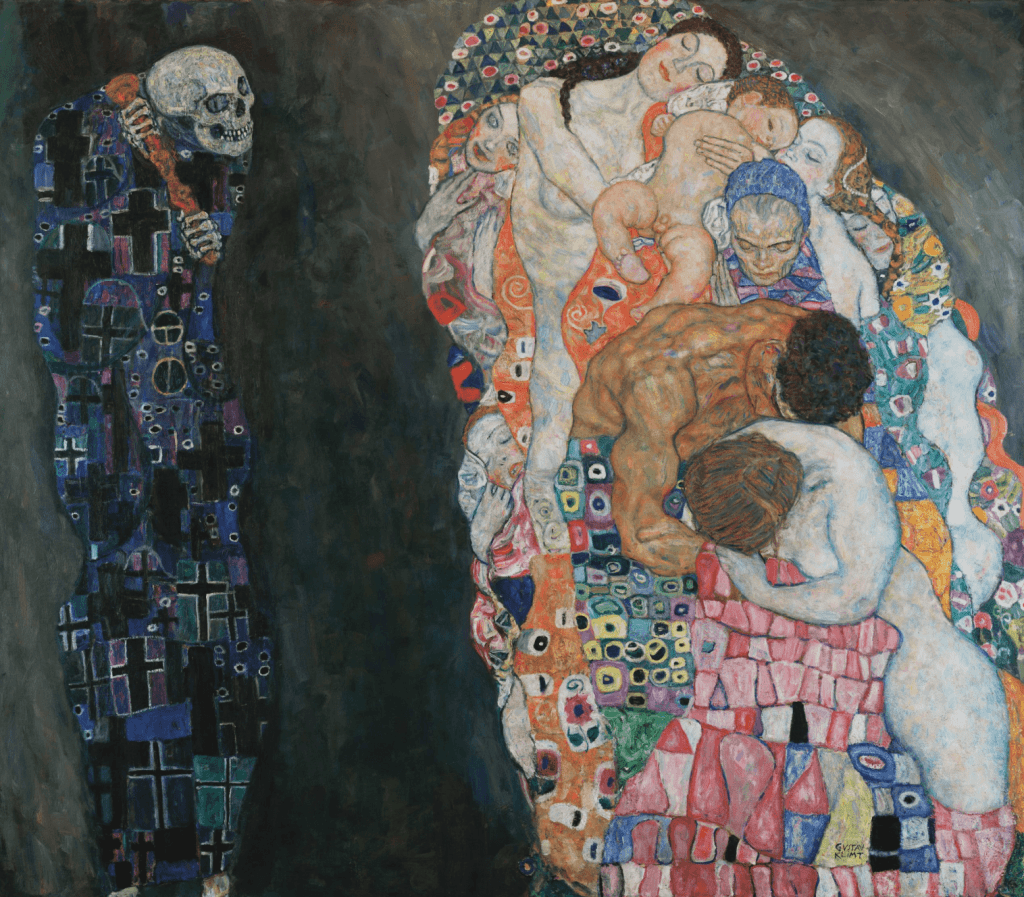
Carl Jung understood dreams as deep expressions of the soul’s hidden reality, and not as random mental noise. Where consciousness often distorts or avoids what is, dreams speak with blunt honesty. “They show the inner truth and reality of the patient as it really is,” Jung wrote – “not as I conjecture it to be, and not as he would like it to be, but as it is.”
This is not an easy truth. It is often what we don’t want to hear, what we fear and avoid. What is. That’s why Jung compared dreams to physical symptoms: you wouldn’t argue with sugar in the urine because it doesn’t align with your diagnosis. Likewise, you don’t interpret a dream to fit a theory – you listen to it as a fact of the psyche, and do your best to grasp some of its symbolic meaning.
Jung’s humility is striking here. As a therapist, he acknowledges the limits of his own judgment. His interpretations are fallible. Our conscious hopes are often built on wishful thinking. But the dream bypasses all of that. It’s involuntary, spontaneous, and authentic – and because of that, its significant and deserves our full attention.
Dreams challenge us to confront parts of ourselves we’ve repressed or ignored. They point to the tension between who we think we are and what our inner life actually reflects. They expose our blind spots – gently or forcefully – and offer glimpses into what is waiting to be integrated. A map.
To treat dreams seriously is to treat the unconscious with respect. It’s to listen when the soul speaks in its own language: symbol, image, paradox. If we can receive them with curiosity, while containing our resistance, dreams can become faithful messengers of truth.
And in a world crowded with projections and personas, what could be more healing than to be shown what is?

Leave a Reply